Istanbul is not just a city — it is a concept. Straddling two continents, it has for millennia been a meeting point of East and West, a bridge between cultures, and a hub of commerce.
The Geography of Connection
Few cities in the world can claim Istanbul's unique geography. The Bosphorus Strait divides the city between Europe and Asia, creating a natural crossroads. Ships carrying goods from the Black Sea to the Mediterranean must pass through Istanbul's waters, giving the city strategic control over trade routes.
This geography has shaped Istanbul's identity. It is a city that belongs to neither continent entirely — or perhaps to both. This duality is reflected in everything from its architecture to its cuisine to its cultural identity.
A History of Commerce
Istanbul's commercial heritage stretches back thousands of years. As Byzantium, it was a thriving Greek city. As Constantinople, it was the capital of the Eastern Roman Empire. As Istanbul, it became the heart of the Ottoman Empire.
Each era brought new trade connections. The Silk Road ended in Constantinople, linking China's merchants with European markets. The city's Grand Bazaar, founded in the 15th century, remains one of the world's oldest and largest covered markets.
Today, Istanbul is one of the world's most important logistics and transportation hubs. Its airport is one of the busiest in the world, connecting Europe, Asia, and Africa. The city's ports handle millions of tons of cargo annually.
A Cultural Crossroads
Commerce is not the only thing that has flowed through Istanbul. Ideas, religions, languages, and cultures have all met here. The city has been home to Christians, Muslims, Jews, Greeks, Armenians, and countless other communities.
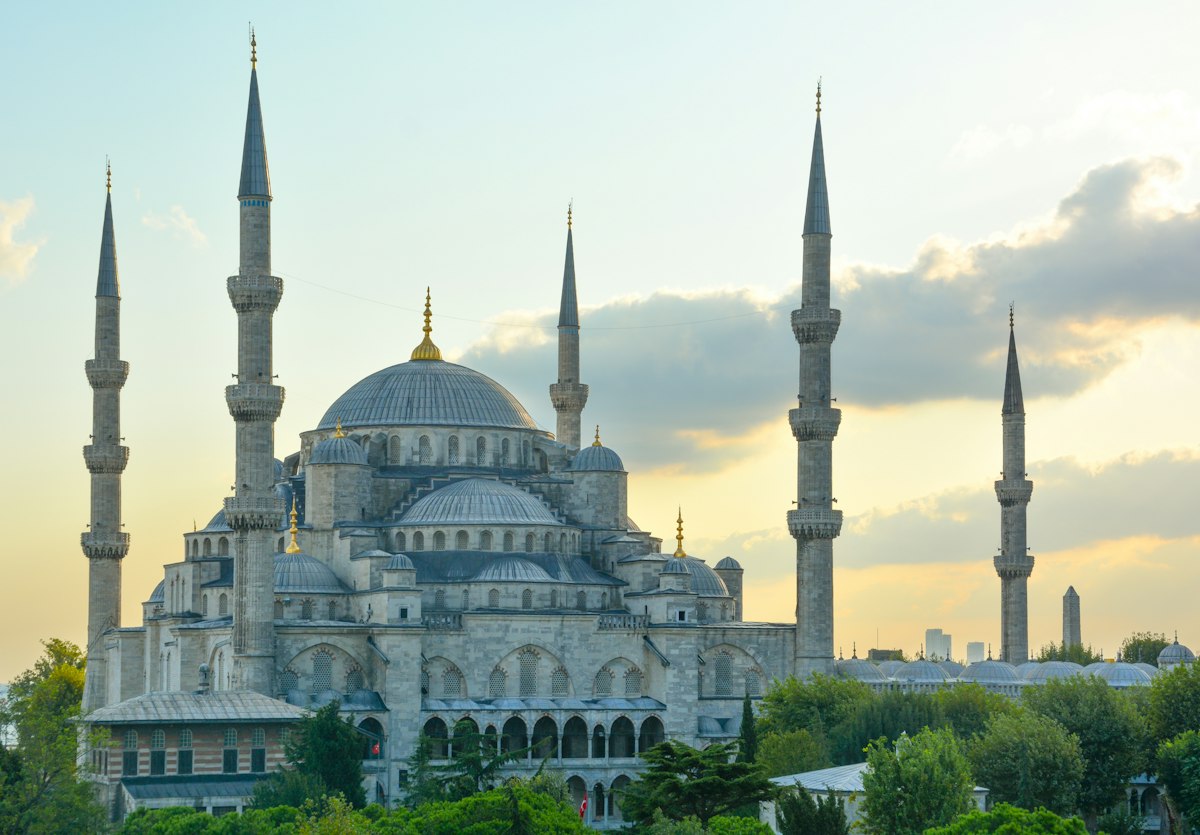
This diversity has enriched the city. Istanbul's architecture includes Byzantine churches, Ottoman mosques, and modern skyscrapers — sometimes standing side by side. Its cuisine blends influences from the Balkans, the Caucasus, the Middle East, and Central Asia.
Istanbul in the Global Economy
In the 21st century, Istanbul continues to play a crucial role in the global economy. It is:
- A major financial center, home to the headquarters of many of Turkey's largest banks and corporations
- A hub for manufacturing and logistics, with extensive industrial zones
- A key node in global supply chains, particularly for textiles, automotive, and electronics
- A center for the creative industries, including media, fashion, and design
The city's population of more than 15 million makes it one of the largest metropolitan areas in the world, providing a vast market and labor force.
Challenges and Opportunities
Like all great cities, Istanbul faces challenges: congestion, environmental pressures, housing affordability, and socio-economic disparities. Yet it also possesses tremendous resilience and dynamism.
As Turkey's economic center of gravity, Istanbul continues to attract investment and talent. Its role as a connector between continents and markets will only grow as global trade patterns evolve.
A City That Invites Discovery
Istanbul is a city that rewards the curious. It is a place where histories intersect, where the old and the new coexist, and where every street seems to hold a story.
For Turkeyiste, Istanbul embodies the spirit of discovery that defines our publication. There are stories everywhere — and perhaps nowhere are they more densely packed than in this city that sits between two worlds.
This article explores Istanbul's role as a global crossroads. It does not focus on any specific incident but rather on the city's broader significance and context.